
UVCHEM MB-R18 | PRODUCT GUIDE
UV Masterbatch: A Protective Shield for Polymers Against Ultraviolet Radiation

What Is UV Masterbatch?
UV masterbatch is a concentrated polymer additive in which light stabilizers are dispersed at a defined ratio in a polymer carrier, such as polyethylene or polypropylene, and supplied as pellets. The pellets are added to the base material during processes such as extrusion, injection molding, blow molding, or film production to improve the finished product's resistance to ultraviolet degradation.
How UV Masterbatch Works
UV protection is commonly achieved by combining several groups of active ingredients:
UV Absorbers
Compounds such as benzotriazoles and benzophenones absorb UV photon energy and release it as relatively harmless heat before it can damage polymer bonds.
Hindered Amine Light Stabilizers (HALS)
HALS work through a different mechanism. They neutralize free radicals generated during degradation and interrupt the chain reactions that can damage polymer chains. HALS are often used together with UV absorbers to provide broader, longer-lasting protection.
Reflectors and Physical Blockers
For some applications, pigments such as titanium dioxide or carbon black are included to physically block light. By reflecting or absorbing light, these materials help reduce its penetration into the polymer.
In practice, a suitable formulation may combine these mechanisms to help protect both the surface and the inner material.
Industrial Applications of UV Masterbatch
UV masterbatch is used in many industries and products, particularly when polymers are exposed to sunlight or outdoor conditions:
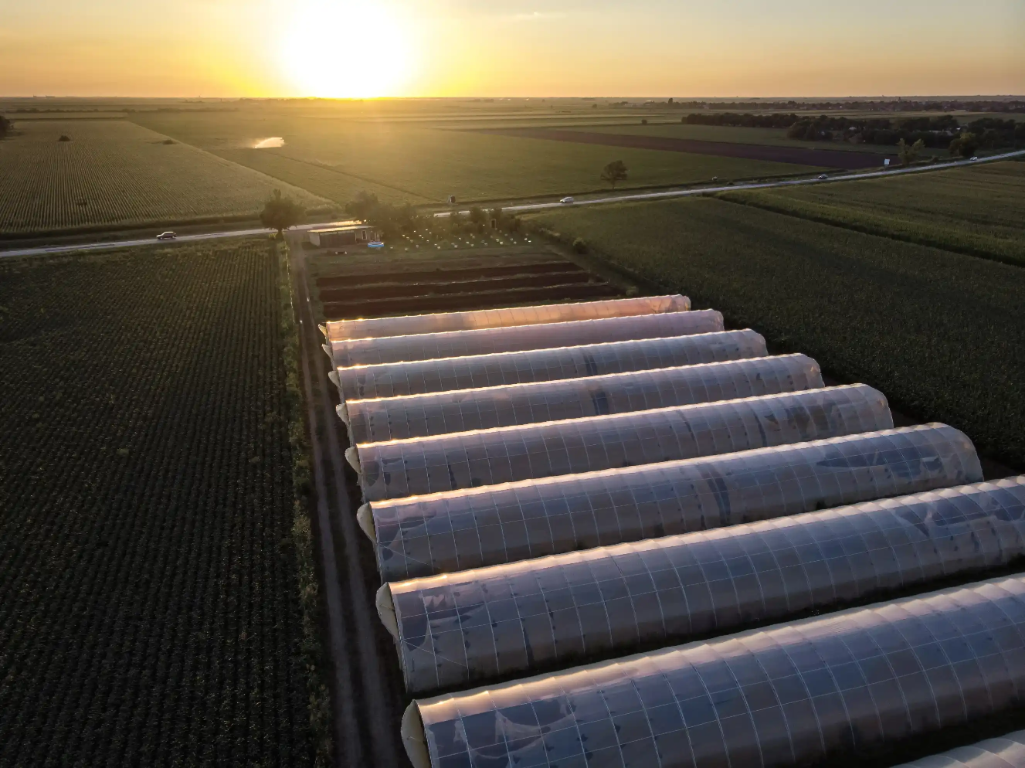
- Agriculture: Greenhouse and mulch films, pipes, and drip-irrigation tape.
- Packaging: Plastic bottles and containers that require protection from light.
- Pipes and fittings: Polyethylene and polypropylene pipes used in outdoor construction and water-supply projects.
- Automotive: Exterior plastic parts such as bumpers, mirrors, and decorative trims.
- Outdoor furniture and equipment: Chairs, tables, and other plastic products used outdoors.
- Cables and wires: Insulation and sheathing for power and telecommunications cables installed outdoors.
In general, polymer products used outdoors may require suitable stabilization to reduce UV-related degradation.
UV Masterbatch Types and Recommended Addition Rate
UV masterbatch formulations vary according to the base polymer, such as polyethylene, polypropylene, or PVC, the end use, and the required protection level. Typical addition rates often fall around 1–5% by weight, but the appropriate level depends on radiation intensity, product thickness, processing conditions, and expected service life. Set the dosage based on the manufacturer's technical data sheet and initial trials on the production line.
Introducing UVCHEM MB-R18
POLYCHEM develops specialty products for the needs of polymer industries, drawing on technical expertise and experience in compounds and masterbatches.
UVCHEM MB-R18 is a specialty anti-UV masterbatch designed with a suitable combination of ultraviolet absorbers and light stabilizers to improve polymer resistance to harmful UV exposure. Its use can help reduce sunlight-related degradation, better retain appearance and physical properties, and improve product durability in environmental conditions.
The masterbatch can be used with widely applied polymers such as polyethylene (PE) and polypropylene (PP), and in products requiring weather and light resistance. Potential applications include polymer pipes, agricultural and packaging films, outdoor plastic parts, and other products exposed to sunlight.
Selecting a quality anti-UV masterbatch with a stable formulation plays an important role in extending the service life of plastic products. POLYCHEM (Polymer Shimi Aras) focuses on specialty masterbatches, including anti-UV and polymer additive masterbatches, and provides solutions tailored to industrial requirements.
UVCHEM MB-R18 can be evaluated for an application based on polymer type, processing conditions, and the product's level of exposure to sunlight. Review the technical specifications and processing conditions before final selection.
Key Considerations When Selecting and Purchasing UV Masterbatch
Before choosing a UV masterbatch, consider the following points to help reduce quality issues in the finished product:
- Compatibility with the base polymer: The masterbatch carrier should be compatible with the resin being processed.
- Environmental conditions: Assess sunlight intensity, temperature, and humidity where the product will be used.
- Expected service life: Products requiring longer service life may need a different formulation or addition rate.
- Compatibility with other additives: Check for possible interactions between light stabilizers, pigments, and other additives.
- Technical documentation: Request the technical data sheet, accelerated-weathering test results, and relevant standards such as ASTM or ISO from the supplier.
Frequently Asked Questions
1. How is UV masterbatch different from a conventional color masterbatch? Color masterbatch is primarily used to color a product, while the main purpose of UV masterbatch is to protect the polymer from light-induced degradation. Some formulations can provide both functions.
2. Can UV masterbatch negatively affect the mechanical properties of the finished product? When a compatible formulation is selected and used at the recommended level, its purpose is generally to help preserve product properties against premature degradation. The final result should be verified under actual production conditions.
3. How is the UV masterbatch addition rate determined? It depends on polymer type, product thickness, UV intensity at the place of use, processing conditions, and expected service life. Set it according to the supplier's technical guidance and initial trials.
4. Is UV masterbatch suitable for every type of plastic? No. Masterbatches are generally formulated for specific base polymers, such as PE, PP, or PVC. Compatibility with the resin in use must be checked.
5. How long does the protection provided by UV masterbatch last? It depends on the formulation, dosage, product thickness, and environmental radiation intensity. Accelerated-weathering tests can be used to estimate performance.
Conclusion
UV masterbatch is one of the polymer industry's solutions for reducing degradation caused by solar ultraviolet radiation. A suitable combination of UV absorbers, HALS, and, where required, physical blockers can help preserve color, physical properties, and the durability of plastic products used outdoors.
Choosing a supplier with technical expertise, industrial experience, and the ability to provide an application-specific formulation is important. POLYCHEM (Polymer Shimi Aras) develops specialty masterbatches, including anti-UV products, to help improve the UV resistance of polymer products.
Products such as UVCHEM MB-R18 are developed for a range of industrial applications, including polymer pipes, agricultural and plastic films, and outdoor components. Select a product based on polymer type, production conditions, and the intensity and duration of sunlight exposure.
For technical consultation, product information, and data sheets for POLYCHEM anti-UV masterbatches, including UVCHEM MB-R18, contact the POLYCHEM marketing and sales team.